.png)
Bodybuilding in Turkey: From Amateur Spirit to the Global Stage
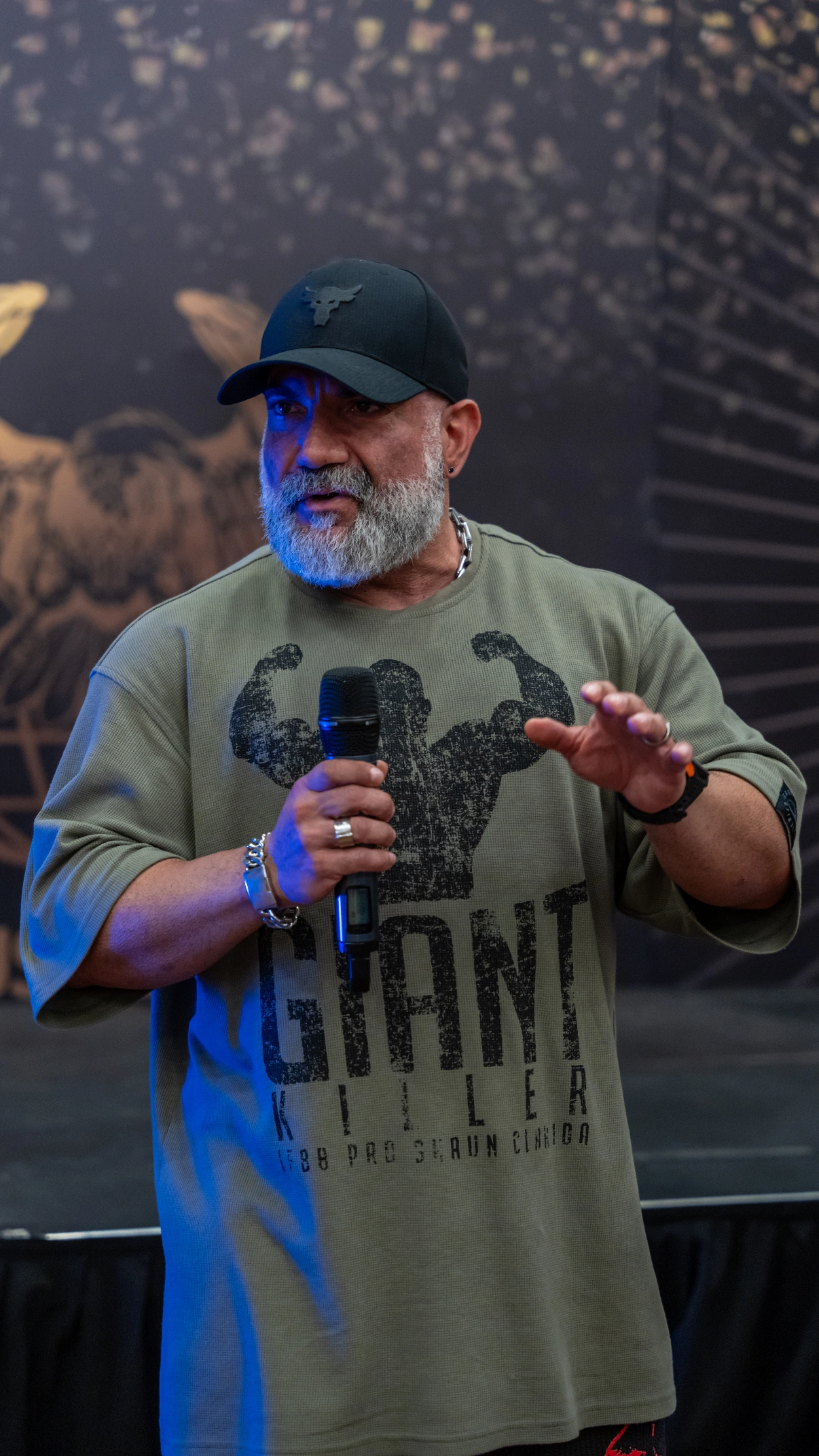
Author: IFBB PRO Coach Can Ünal
About the Author:IFBB PRO Coach Can Ünal is a professional coach with extensive international experience in bodybuilding. He guides athletes in Turkey to reach global standards, offering not only physical training but also strategy, discipline, mentorship, sponsorship management, and professional development. He works to expand the vision of bodybuilding in Turkey and help young talents maximize their potential.
Preface
In Turkey, bodybuilding has long been limited by the concept of the “amateur spirit” and various restrictions. Meanwhile, the global sports arena offers a highly dynamic environment full of opportunities. Mentorship, sponsorships, international competitions, and online education provide athletes with not only physical development but also strategic thinking, brand awareness, and international experience.
This article examines how Turkish athletes can reach their full potential while maintaining the amateur spirit, aligning with global standards.
Summary
The “amateur spirit” can hinder athlete development if misunderstood.
Mentorship and sponsorship systems provide strategy, planning, and international experience, not just financial support.
Team culture and a competitive mindset are essential for both physical and mental growth.
Global standards are supported by accessible education, competitions, and online resources.
Turkey’s role is to guide athletes properly, providing opportunities while preserving the amateur spirit, enabling them to compete internationally.
Current State of Bodybuilding in Turkey
1. Challenges
The main obstacle is the misuse of the “amateur spirit” to impose restrictions. This limits athlete potential and discourages competition and perseverance.
2. Importance of Private Competitions
Private competitions offer athletes experience, visibility, and competitive opportunities. Restricting them prevents preparation for international standards.
3. Team and Collective Work
Teams create group motivation and collective responsibility. Restrictions force athletes to train alone, reducing opportunities for discipline and strategic development.
4. Mentorship and Professional Guidance
Mentors provide strategy, goal management, discipline, financial advice, and preparation for international competition. Without them, athletes cannot compete professionally.
5. Sponsorship and Financial Support
Sponsorship provides not only funding but also brand awareness, visibility, and international opportunities. Restricting sponsorships prevents athletes from sustaining their careers.
6. Global Standards and Accessibility
Worldwide, athletes benefit from professional networks, online education, international competitions, and mentorship. Lack of access to these in Turkey prevents alignment with global standards.
7. The Mask of the “Amateur Spirit”
The “amateur spirit” is often used to justify restrictions, limiting creativity, competitive drive, and international experience.
8. Conclusion
Turkey must implement systems that maximize athlete potential while preserving the amateur spirit. Removing unnecessary restrictions allows athletes to compete globally.
The Amateur Spirit — Definition and Concrete Examples
Definition: Used by authorities as an ideology or control mechanism.
Banning Private Competitions: Private competitions without federation approval are prohibited.
Restricting Team Work: Team-based training is sometimes restricted.
Mentorship and Sponsorship Limitations: Professional support may be criticized or limited.
Disconnection from Global Standards: Athletes cannot gain international experience.
Rules as Control Tools: Regulations are enforced as a means of control.
Examples: Cancellation of unsanctioned competitions, restrictions on group/team training, limitations on sponsorships or mentorship.
Where the World Stands — Summary of Global Standards
Professionalization: Leagues, prize money, sponsorships, full-time coaching.
International Competitions: IFBB Pro League, Olympia, and other events.
Mentorship: Technical, strategic, nutrition, and mental training.
Sponsorship: Visibility, brand awareness, opportunities.
Online Education: Access to scientific and technical content digitally.
Team Culture: Motivation, discipline, collective success.
Brand & Personal Image Management: Social media and marketing skills.
Cultural Awareness: Exposure to different cultures and gaining a global perspective.
Benefits of Mentorship
Strategy and Goal Management
Technical and Performance Development
Discipline and Structured Training
Moral and Motivation Support
Professional and Financial Guidance
International Competition Preparation
Networking Opportunities
Brand and Image Development
Crisis Management
Summary: Mentorship develops athletes physically, mentally, professionally, and socially, preparing them to compete globally.
Benefits of Team Culture
Motivation and accountability
Competitive mindset
Quick feedback and learning
Strategic and planning skills
Solidarity and support system
Networking and long-term collaboration
Professional and international preparation
Development of social and cultural skills
Sponsorship: Beyond Financial Support
Visibility: Brand collaborations and media exposure
Business experience: Contracts, copyrights, taxes
Long-term income: Appearance fees, content, product partnerships
PR and crisis management
Networking with athletes, brands, and organizers
Educational opportunities: Sponsor-supported training and certifications
Summary: Sponsorship provides education, mentorship, visibility, networking, and strategic growth, not just funding.
Contribution of Competitive Spirit and International Vision
Improved physical performance
Mental strength and discipline
Strategic thinking and goal management
Mentorship and knowledge transfer
Cultural and social development
Brand awareness and reputation
Economic and career benefits
Global competitiveness and national prestige
Sustainable sports culture
Importance of Education, Accessibility, and Online Resources
Scientific education infrastructure
Mentorship with an educational component
Access to competitions and resources
Economic accessibility
Power of online resources
Integration with global standards
Closing knowledge gaps
Producing content in local language
Cultural impact of education
Summary: Education + accessibility + online resources create equal opportunities and help Turkey compete globally.
Harms of Restrictions
Hinders athlete development and misinterprets amateur spirit
Reduces international reputation, education, and mentorship opportunities
Causes young talent loss and cultural setbacks
Damages team culture and sponsorship systems
Conclusion: Restrictions block short-term opportunities and prevent long-term development, hindering Turkey’s global competitiveness.
Practical Recommendations — Action Plan
For Federations / Authorities
Allow private competitions with registration and oversight
Implement transparent approval processes with safety and anti-doping measures
Provide model contracts for mentorship and sponsorship collaborations
For Organizers / Promoters
Establish standardized rules, insurance, doping policies, and jury training
Develop coordinated “private but compliant” event protocols
For Teams / Mentors
Offer mentorship packages: training + nutrition + media + financial guidance
Start scholarship/mentorship programs for young athletes
For Sponsors / Brands
Pilot small-scale sponsorships
Offer transparent ROI reports and collaborate with federations
For Athletes
Prepare a personal brand portfolio: CV, portfolio, social media kit
Actively seek mentorship and team support
This article serves as a comprehensive guide for aligning bodybuilding in Turkey with global standards. By preserving the amateur spirit while maximizing physical, mental, and professional potential, Turkish athletes can reach the global stage.


Comments